Jewelry Cards Template: A Practical Tool for Designers, Makers, and Sellers
Anyone who has ever tried to package a pair of earrings or a delicate necklace knows the struggle. You want the presentation to look professional, but you also need something functional that protects the piece during shipping or display. That is exactly where a Jewelry Cards Template comes into play. It is a pre-made digital layout that lets you create custom cards for holding and showcasing jewelry. Whether you are a small business owner, a hobbyist, or someone planning a craft fair, these templates save time, reduce waste, and give your work a polished finish.
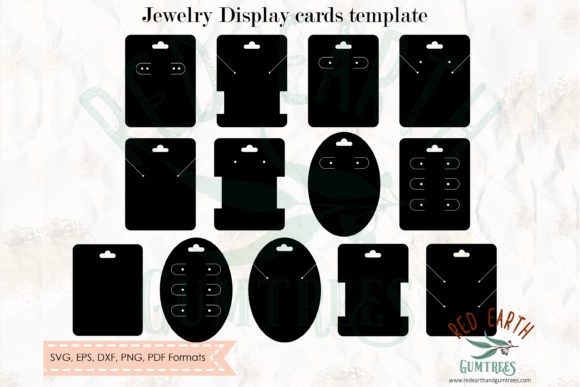
The collection often includes formats like SVG, PNG, DXF, PDF, and EPS, which means you can use them with a wide range of tools and machines. From a simple home printer to a laser cutter or a Cricut, these files are designed to work across platforms. The best part is that you do not need to start from scratch. The measurements, fold lines, and cut paths are already set up, so you can focus on the fun part: choosing your paper, adding your logo, and making the card your own.
Real-World Situations Where Jewelry Card Templates Shine
Imagine you have a small Etsy shop selling handmade beaded bracelets. You have spent hours selecting beads, stringing them with care, and photographing each piece. The last thing you want is to drop everything into a plain envelope with no branding. Using a jewelry display card changes the entire unboxing experience. A bracelet card svg file allows you to cut a card that wraps around the bracelet or holds it in place with a slit. When your customer opens the package, they see something intentional, not an afterthought.
Another scenario: you are a graphic designer who works with jewelry brands. A client asks for a packaging refresh. Instead of designing every single card from scratch, you can pull from a jewellery card template library, customize the typography and colors, and present options quickly. This speeds up the approval process and gives you more time to focus on other parts of the brand identity.
For someone who sells at local markets or pop-up shops, having a consistent look across all your products builds trust. A customer who buys a necklace and a pair of earrings from you should feel like they came from the same collection. Using a necklace card svg and a matching earring card svg creates that cohesion. You can even print a small batch at home to test a design before committing to a larger run.
Different Users, Different Needs
The beauty of these templates is that they adapt to the user. A beginner might print a PNG file on cardstock and cut it with scissors. That works fine. An experienced maker with a laser cutter can open the DXF or EPS file and have dozens of cards cut in minutes. The same template serves both people without any loss of quality.
Consider a jewelry designer who works with heavy gemstone pendants. They need something sturdy. A standard jewelry card svg can be scaled up or down, but the thickness of the material matters more than the template itself. Knowing that the file is editable in software like Illustrator or Inkscape gives you the freedom to adjust the slot width or add a second fold for extra support.
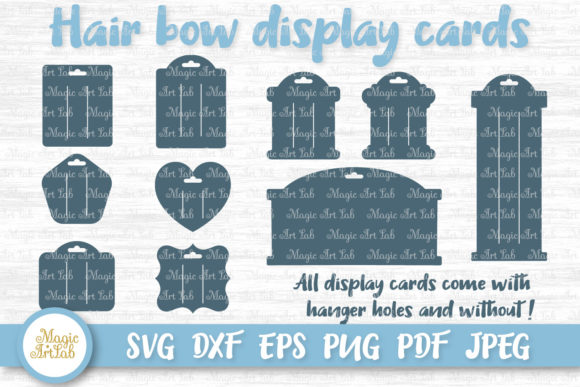
On the flip side, a parent helping a teenager sell friendship bracelets at school might just want something cute and quick. A jewellery card svg with a heart shape or a simple tag design is enough. They can print it at home, cut it out, and have the bracelets ready for the school fair in an afternoon.
How Earring and Necklace Cards Solve Common Problems
Earrings are tricky to package. They tangle, they get lost, and if you are not careful, the posts can poke through thin paper. An earring holder template typically has small slits or holes that hold the earring securely in place. The card keeps the pair together and prevents damage during transit. If you sell studs, hoops, or dangling earrings, you need a template that matches the style. Some earring card svg files come with multiple slot options, so you can choose the one that fits your product best.
Necklaces, especially chain styles, are another challenge. A necklace card often features a slit at the top to hold the clasp and a winding path for the chain. This keeps the necklace from tangling and makes it easy for the buyer to remove. A well-designed necklace card svg will have the right proportions so that the chain does not slip out during handling.
Bracelets sit somewhere in between. They are smaller than necklaces but wider than most earrings. A bracelet card svg usually includes a cutout that wraps around the wrist size or a simple slot that holds the bracelet in place. If you sell adjustable bracelets, you might prefer a design that allows the cord to pass through a small loop.
Why Format Variety Matters
When you download a set like this, you get SVG, PNG, DXF, PDF, and EPS formats. That is not just filler. Each format serves a purpose. SVG and EPS are vector files, meaning they can be resized without losing quality. If you want to make a giant display card for a booth or a tiny tag for a gift, vector files handle it perfectly.
DXF is a format commonly used with laser cutters and vinyl cutters. If you have a Glowforge or a Silhouette, you will likely want the DXF version. PDF is the most universal format. You can open it on any computer and print it directly. PNG is a raster image with a transparent background, useful if you want to place the card design into another document or mockup.
Having all these formats in one download means you are not locked into a single workflow. You can start with a PDF for a quick test, then switch to SVG when you are ready to mass produce. This flexibility is especially valuable for makers who switch between tools depending on the project.
Choosing the Right Material and Size
Before you cut or print, think about what material you will use. Standard cardstock works well for lightweight studs and small tags. For heavier pieces like chunky bracelets or long pendants, consider a thicker paper or even thin kraft board. Some people laminate their cards for a glossy finish that resists wear during handling at markets.
Size is another factor. A jewelry display svg might come in a standard 2x3 inch format, but you can scale it. If you sell very small earrings, a mini card might look more delicate. If you sell large statement necklaces, a bigger card gives you room to add care instructions or your social media handle. The template provides the structure, but you decide how to use it.
Color also plays a role. A plain white card feels clean and modern. A colored or patterned card adds personality but can clash with certain jewelry styles. If you are unsure, start with a neutral base and add a small logo stamp. Many sellers find that a simple earring display svg with a minimalist design works across different product lines.
Branding and Personalization Options
One of the biggest strengths of using a jewelry cards template is the ability to add your own branding. You can include your business name, a logo, a website URL, or even a short care note. Some people like to stamp their cards with a custom rubber stamp for a handmade feel. Others use a printer to add full-color graphics. Both approaches work, and the template gives you a consistent canvas to work with.
If you sell gift sets, you might want matching cards for each item in the set. A necklace, bracelet, and earring set looks much more professional when every piece is displayed on a card from the same family. Using a necklace display svg alongside a bracelet display svg and an earring display svg creates visual harmony. Customers notice these details, and they often mention them in reviews.
Common Considerations Before You Start
Not every template fits every product. Before you commit to a design, test it with your actual jewelry. An earring holder template that works for thin posts might not hold a thick clip-on earring securely. A necklace card svg designed for a 16-inch chain might be too small for a 24-inch chain. Always cut a test card first, insert your jewelry, and see how it behaves.
Another thing to keep in mind is the cutting method. If you are using a laser cutter, make sure the file contains a separate cut line and score line. Many jewelry card svg files come with both, but it is worth checking before you load your material. If you are cutting by hand, a simple design with straight lines is easier to manage than a complex curved shape.
Storage is also worth considering. Once you have a batch of cards ready, how will you store them? They take up space, and if you make a hundred cards at once, you need a plan. Some people keep them flat in a drawer, others use a small box with dividers. The material you choose affects how easily the cards bend or crease over time.
One limitation to be aware of is that a template is a starting point, not a finished product. It does not include your branding or your specific measurements. You will need to customize it. If you are not comfortable using design software, you might need to ask a friend for help or watch a few tutorials. However, the effort is worth it because the result looks custom-made.
For Those Selling Online
If you list your products on platforms like Etsy, Amazon Handmade, or your own website, the packaging is part of the product. Photos of your jewelry displayed on a branded card can improve your listings. A jewelry display card elevates the visual quality of your images. Instead of a flat necklace lying on a table, you show it neatly arranged on a card that complements its style. This can make a difference in click-through rates and conversions.
Some sellers also use the cards as a way to include a discount code for the next purchase. Printing a small message on the back of the card is inexpensive and encourages repeat business. Because the template already has a standard layout, you can batch print the backsides quickly.
Final Thoughts on Working with Templates
Having a reliable set of templates in multiple formats saves you from reinventing the wheel every time you launch a new product. Whether you need an earring card svg for a last-minute custom order or a bracelet card svg for a wholesale batch, the files are ready to go. The time you save can be spent on designing new jewelry, improving your photography, or connecting with customers.
If you are just starting out, begin with a simple jewellery card svg design and print a few samples. See how they feel in your hand and how they look with your products. As you gain confidence, you can explore different shapes, materials, and branding techniques. The templates are a tool, but the creativity is yours.