Empty Wooden Table Top Background: A Strategic Tool for Visual Communication and Brand Presentation
An empty wooden table top background may appear to be a simple design asset, but its strategic value extends far beyond a plain surface. For entrepreneurs, marketers, content creators, and business owners, this versatile backdrop serves as a controlled stage where products, ideas, and brand messages can be presented with clarity and intention. When selected and used thoughtfully, an empty wooden table top background becomes a foundational element in visual communication, supporting everything from e-commerce photography to social media campaigns, advertising layouts, and web design.
Understanding what this background offers and how to deploy it effectively can transform an ordinary product shot into a compelling narrative. The natural texture, warmth, and neutrality of wood provide a canvas that does not compete with the subject but instead enhances it. This article explores the strategic use of an empty wooden table top background, covering when to use it, how to plan around it, and what to consider before making it a staple in your creative toolkit.
What an Empty Wooden Table Top Background Really Offers
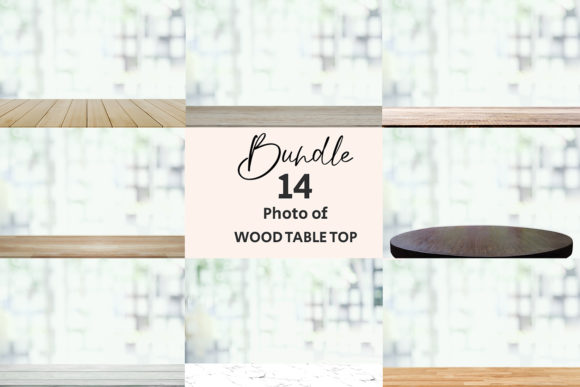
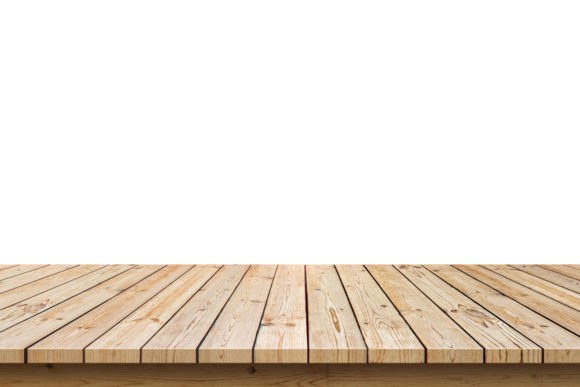
At its core, an empty wooden table top background is a high-resolution image of a clean, uncluttered wooden surface, typically captured in a way that leaves ample negative space for product placement, text overlays, or design elements. The file provided—a 5184 x 3456 pixel JPEG at 240 DPI, along with a layered PSD file for Photoshop—offers both ready-to-use and editable formats. This means you can adjust lighting, add shadows, composite multiple products, or integrate branding elements without starting from scratch.
The strategic advantage lies in its neutrality. Wood grain introduces organic texture and a sense of authenticity that flat, solid-color backgrounds often lack. It evokes craftsmanship, natural materials, and a grounded aesthetic. For businesses selling handmade goods, artisanal food products, skincare, home decor, or even digital services that want to convey warmth and approachability, this background can reinforce brand values without a single word.
Moreover, the high resolution and color accuracy enable professional-grade output for print and digital media. Whether you are designing a banner, building a product catalog, or preparing assets for a trade show display, the same background can maintain consistency across formats.
Product Photography and E-Commerce Display
For online retailers, product images are often the primary factor in purchase decisions. An empty wooden table top background provides a consistent, appealing setting that keeps the focus on the item. Unlike shooting on a busy surface or an inconsistent background, using the same wood texture across a product line creates visual cohesion. Customers browsing your store see a unified brand experience, which builds trust and recognition.
Consider a small business selling hand-poured candles. Placing each candle on the same wooden background with controlled lighting allows the product shape, label, and wax color to stand out. The wood texture adds warmth, suggesting a cozy, natural vibe that aligns with the product's handmade identity. Without a thoughtful background, the same candles might appear disjointed or amateurish.
Advertising and Marketing Collateral
In advertising, the background is not just a backdrop—it is part of the message. A wooden table top can signal authenticity, tradition, quality, or simplicity. For a campaign promoting organic food, the wood surface reinforces the idea of natural, unprocessed ingredients. For a tech product aiming to appear approachable, wood softens the clinical edge of metal and glass.
When designing ads for print or digital, the empty space on the wooden background becomes a strategic asset. You can position your product in the lower third, leaving room for headline text, logos, and calls to action. The layered PSD file allows you to experiment with placement and text integration without altering the original background, saving time and preserving flexibility during revisions.
Web Design and Banner Creation
Website headers, hero banners, and landing pages often rely on background imagery to set the tone. An empty wooden table top background can serve as the foundation for an entire site section, particularly for brands that emphasize craftsmanship, sustainability, or home-centric values. The texture adds depth without overwhelming the content, and the neutral color palette works well with both bold and muted accent colors.
For a blogger or publisher creating content around recipes, DIY projects, or lifestyle topics, using the same wooden background across multiple posts creates a signature look. Readers begin to associate that warm wood tone with your brand, increasing recognition and loyalty.
Social Media Content and Visual Storytelling
Social media feeds thrive on consistency. An empty wooden table top background can become a recurring visual element that ties together product launches, behind-the-scenes shots, and promotional graphics. By using the same base image or a cropped version, you create a cohesive grid that feels curated rather than chaotic.
For freelancers and creators offering digital products, such as planners, templates, or printables, this background provides a professional yet approachable stage. A screenshot of a planner placed on the wood surface feels more tangible and inviting than a flat digital mockup. It bridges the gap between the digital and physical worlds, helping customers imagine the product in their own lives.
Planning Your Approach: How to Use This Background Intentionally
Using an empty wooden table top background without clear goals can lead to generic results. Strategic use begins with answering a few foundational questions:
- What is the primary purpose of the visual? Are you showcasing a product, building brand identity, or creating a mood? The background should serve that purpose, not distract from it.
- Who is your audience? A warm wood texture may appeal to customers seeking comfort and authenticity, but it might feel out of place for a high-tech, futuristic brand. Match the background to audience expectations.
- What is the context of use? A banner for a website has different spatial requirements than a social media post or a print brochure. The file’s high resolution allows cropping and resizing, but planning the composition beforehand prevents wasted effort.
- How will lighting interact with the wood? The PSD layer enables you to adjust shadows and highlights. Consider the direction and intensity of light in your final composition to ensure the product sits naturally on the surface.
A practical planning step is to create a mood board that includes the wooden background alongside your product, color palette, typography, and intended messaging. This ensures that the background is not an afterthought but a deliberate component of the visual strategy.
Practical Examples of Intentional Use
Imagine a small skincare brand launching a new line of organic serums. Instead of photographing each bottle against a different surface, they use the same empty wooden table top background for the entire product line. The consistent wood grain creates a visual thread across the website, social media, and print materials. When customers scroll through the feed, they instantly recognize the brand’s aesthetic. The background does not compete with the product; it elevates it.
Another example: a freelance graphic designer offering brand identity packages. Using the wooden background as a mockup surface for presenting logos, business cards, and letterhead designs gives clients a realistic preview of how their brand will look in physical form. This approach builds confidence and reduces the abstraction that often plagues digital-only presentations.
For a food blogger, the wooden table top becomes the stage for recipe photos. By using the same background across multiple posts, the blog gains a cohesive, professional look that attracts advertisers and publishers. The texture of the wood complements the natural colors of fresh ingredients, making the food appear more appetizing and authentic.
Long-Term Value and Brand Consistency
One of the most overlooked benefits of a high-quality empty wooden table top background is its reusability. Unlike a physical table that changes with lighting, wear, and perspective, a digital background remains consistent every time. This allows brands to maintain a uniform visual identity over months or years, even as products and campaigns evolve. The layered PSD file further extends the asset’s lifespan by enabling adjustments to color temperature, contrast, and texture without degrading quality.
For educators and professionals creating training materials, presentations, or course content, this background provides a clean, non-distracting surface for displaying diagrams, notes, or product demonstrations. It conveys a sense of preparedness and polish without requiring a physical studio setup.
Risks of Using This Background Without Clear Goals
Despite its versatility, an empty wooden table top background can undermine your message if used carelessly. The most common risk is visual monotony. If every image in your catalog or feed uses the exact same background with no variation in angle, lighting, or composition, the viewer may experience fatigue. The background should unify, not homogenize. Varying the product placement, adding complementary props, or adjusting the crop can keep the visual story fresh while maintaining consistency.
Another risk is misalignment with brand identity. A rustic wood texture may feel warm and inviting, but for a brand focused on minimalism or modernity, the same background could feel cluttered or nostalgic. The wood grain itself can also become a distraction if the pattern is too busy or if the product is small and detailed. In such cases, using a softer focus or a tighter crop on the wood surface can reduce visual noise.
There is also the risk of over-reliance on a single asset. A background that works beautifully for a product launch may not suit seasonal campaigns, special promotions, or collaborations. Keeping a small library of complementary backgrounds—different wood tones, angles, or finishes—provides flexibility without sacrificing consistency.
What to Consider Before Using This Background
Before integrating an empty wooden table top background into your workflow, evaluate your overall visual strategy. Consider the following:
- Color harmony: Does the wood tone complement your brand colors? Warm woods pair well with earthy tones and soft pastels, while lighter woods can support a more airy, Scandinavian aesthetic. Test the background with your product palette before committing.
- Texture and grain: The prominence of wood grain varies. A highly textured surface may work for rustic or handmade products but could overwhelm sleek, modern items. Use the PSD layer to apply a slight blur or adjust contrast if needed.
- Scale and resolution: The 5184 x 3456 pixel file at 240 DPI is ideal for large prints and high-resolution displays. For web use, you can downsample without losing quality. Plan your output format to avoid unnecessary file sizes.
- Editing flexibility: The layered PSD file allows non-destructive edits. Take advantage of adjustment layers to simulate different lighting conditions or to match the background to specific brand guidelines.
- Legal and usage rights: Ensure that the background you use is licensed for commercial applications. The file provided is intended for professional use, but always verify terms if sourcing from other providers.
Making Intentional Choices for Better Results
The difference between a generic product shot and a compelling brand visual often comes down to intention. An empty wooden table top background is not a shortcut to quality—it is a tool that, when used with strategic thinking, can amplify your message, streamline your production process, and reinforce your brand identity. By planning your compositions, aligning the background with your audience’s expectations, and varying your approach to avoid monotony, you turn a simple asset into a long-term competitive advantage.
Whether you are launching a new product line, redesigning your website, or building a cohesive social media presence, the empty wooden table top background offers a reliable foundation. The key is to treat it not as a default option but as a deliberate choice that supports your broader goals. With the included JPEG and layered PSD files, you have both the immediate utility and the creative flexibility to adapt the background to your evolving needs. Use it wisely, and it will serve your brand for years to come.