Interior Mockup, Room Mockup: How to Showcase Your Art with Realism and Precision
If you sell artwork, prints, or photography online, you already know that presentation can make or break a sale. A flat scan of your piece, no matter how crisp, rarely conveys the emotional impact it will have once it hangs on a wall. That is where an interior mockup or room mockup becomes more than a convenience—it becomes a tool that helps potential clients picture your work in their own space. A well-made mockup places your art inside a carefully styled room, with realistic lighting, shadows, and perspective, so buyers can see exactly how the colors, scale, and mood will translate from screen to their living room.
The product you are considering includes a high-resolution PSD and JPG file at 2700×2700 pixels and 300 dpi, with a smart object layer that lets you drop your design in quickly. The frame is pre-arranged with adjusted shadows and angles for a believable look. There are no watermarks, no placeholder text, and no guesswork. But even with a quality template, how you choose, customize, and present that mockup matters. Let’s walk through what often goes wrong, what gets overlooked, and how you can get the most out of an interior mockup without wasting time or undermining your brand.
What an Interior Mockup Actually Does for Your Business
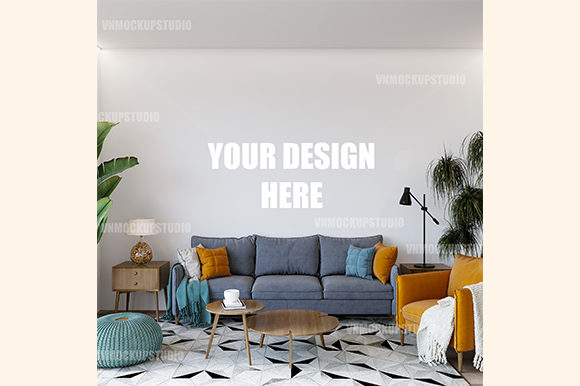
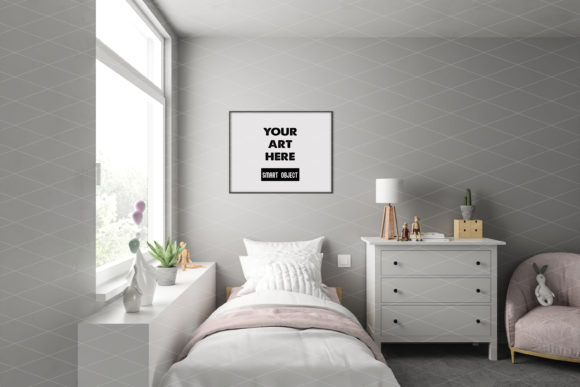
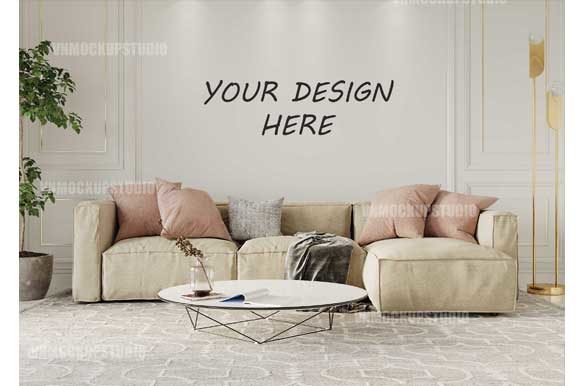
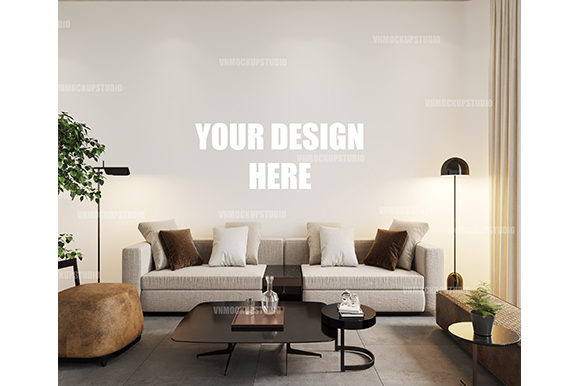
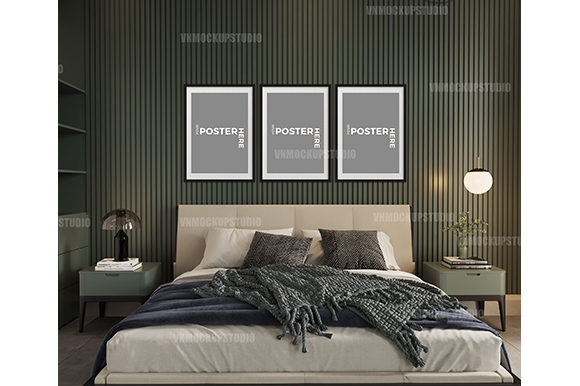
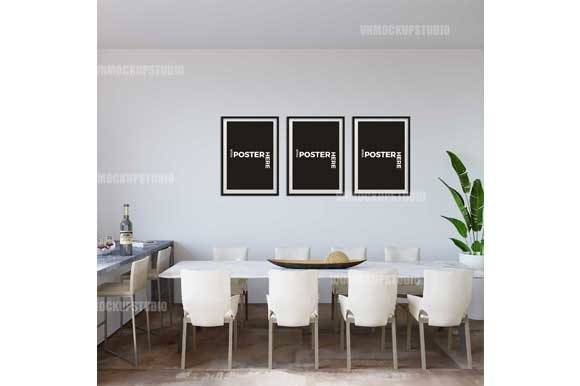
An interior mockup, sometimes called a room mockup, is essentially a staged photograph of a room that includes a blank frame or display area where your artwork can be inserted. The goal is to show your art in context—on a wall above a sofa, in a bright studio corner, or in a cozy reading nook. This helps clients imagine the piece as part of their own décor, which reduces hesitation and increases confidence in a purchase.
For creators, entrepreneurs, and small business owners, this kind of realistic presentation also signals professionalism. A well-prepared mockup communicates that you care about quality and that you understand how design, scale, and lighting affect the way art is perceived. It also saves you from having to photograph each print in a physical room, which is time-consuming and inconsistent. With a digital mockup, you can show the same piece in multiple settings in minutes.
Common Mistakes People Make with Room Mockups
Even a great interior mockup can fall flat if it is used carelessly. Here are some of the most frequent missteps I see, and how to avoid them.
Choosing a Mockup That Overpowers Your Art
Some mockups are so visually busy—bright patterns, elaborate furniture, strong color contrasts—that the art becomes secondary. The viewer’s eye jumps to the plant, the throw pillows, or the dramatic wallpaper instead of the print you are trying to sell. This defeats the purpose entirely.
Better approach: Select a room mockup with a clean, neutral environment that complements your art without competing with it. A simple wall, soft natural light, and understated furniture let your work remain the focal point. The product you are evaluating already leans in this direction with its adjustable frame and realistic shadows, which helps keep the emphasis on your piece.
Using a Single Mockup for Every Art Style
A minimalist line drawing may look lost in a heavily textured, rustic room, while a vibrant abstract might clash with a pastel, airy interior. Using the same room mockup for all your artwork can misrepresent the style and mislead buyers about how the piece will actually feel in a home.
Better approach: Curate a small set of mockups that match the aesthetic of your art. If you sell both bold contemporary pieces and soft botanical prints, invest in two or three room mockups that suit each category. The smart object feature in this mockup makes swapping designs fast, so you can test different pairings without redoing the entire setup.
Ignoring Scale and Proportions
A common oversight is selecting a mockup where the frame size does not accurately represent the actual print size. If your artwork is 8×10 inches but the frame in the mockup looks like it spans half the wall, buyers may feel misled when the delivered piece seems smaller than expected. Conversely, a large print placed in a tiny mockup frame loses its impact.
Better approach: Check the dimensions of the display area in the mockup and compare them to your actual product dimensions. The 2700×2700 pixel canvas gives you room to work, but the visible frame size should correspond to the real print size you are selling. If the mockup frame is larger, you can resize your design layer to fit proportionally, but be mindful of how that changes the scale cues in the scene.
Overlooking Lighting and Shadow Direction
Lighting consistency is one of the first things a trained eye notices. If the room has a soft window light from the left but the shadow on your inserted artwork suggests light from the right, the image looks artificial. This breaks the illusion and reduces trust.
Better approach: The mockup you are considering comes with pre-adjusted shadows and angles to avoid this problem. All you need to do is place your design using the smart object and let the layer effects do the work. Do not override those shadow adjustments unless you have a good reason and the skills to match the lighting across the entire scene.
Skipping the High-Resolution Download
Some users buy a mockup set but then compress or resize the final image for convenience, thinking it will load faster on their shop. That hurts image quality, especially on large screens or zoomed views. A blurry or pixelated mockup signals low quality and can make your art look amateurish.
Better approach: Always use the full-resolution file. At 300 dpi, your mockup images will be crisp even on retina displays. If you need smaller versions for previews or social media, create a separate resized copy rather than scaling down the original and re-saving.
What to Check Before Downloading or Using a Mockup
Before you commit to any interior mockup, there are a few practical checks that will save you time and frustration later.
- File format compatibility: Confirm that the file is provided as a PSD with a smart object layer, so you can edit it in Photoshop or a compatible program. Some mockups require specific software, and not all free alternatives support smart objects fully.
- Licensing terms: Make sure the mockup can be used for commercial purposes, including online shops, blogs, and websites. Most paid mockups allow this, but it is worth verifying so you do not violate terms later.
- Realism of the scene: Look at the sample images carefully. Does the lighting feel natural? Are the shadows soft and directionally consistent? Do the angles match a plausible viewing height? The product you are reviewing is specifically arranged to achieve a realistic look, which is exactly what you want.
- Customization flexibility: Can you adjust the wall color or the frame style if needed? Some mockups lock those elements, while others allow some flexibility. The smart object method used here gives you a straightforward workflow without requiring advanced editing skills.
Practical Tips for Using Your Mockup Effectively
Once you have downloaded your interior mockup, a few simple habits will help you get consistent, professional results.
Use the smart object correctly. Open the PSD file, locate the smart object layer, double-click it, paste your artwork, save, and close. The mockup will update automatically with the correct perspective and shadows. Do not rasterize or flatten the smart object unless you are absolutely sure you do not need to make further adjustments.
Keep your source files organized. Save the original mockup PSD in a dedicated folder, and keep your artwork files in a separate but linked folder. This makes it easy to swap out designs later without hunting for files.
Create variations for different contexts. You can use the same mockup to generate images for your online shop, your blog, and your social media, simply by resizing the output. For the shop, use the full 2700×2700 px version. For Instagram, create a square crop that highlights the art. For a blog post, you might show the full room with the art in context.
Test the mockup with a few sample designs first. Before committing to a full product launch, drop in a few of your existing prints to see how the colors and tones behave. A mockup that works beautifully for a black-and-white photograph might not do justice to a pastel watercolor. This quick test will tell you if you need additional mockups for different product lines.
How Mistakes Affect Your Results and Your Reputation
Getting these details wrong is not just a cosmetic issue. When a mockup looks off, buyers notice—sometimes consciously, sometimes just as a vague feeling that something is not quite right. That vague feeling can translate into a lower conversion rate, more returns, or a perception that your work is less polished than a competitor’s.
Conversely, a realistic, well-chosen interior mockup builds credibility. It shows that you have taken the time to present your work thoughtfully, and it helps clients emotionally connect with the piece before they buy. For freelancers, small business owners, and bloggers, this kind of presentation supports the story you are telling about your brand. It is not just about showing a product; it is about showing a lifestyle, a mood, or an aspiration that the buyer wants to bring into their own home.
Making the Most of Your Instant Download
Because this product is a digital file only, you will not receive a physical print. That is actually an advantage—you can download it immediately after purchase, start editing right away, and use it as many times as you like for different artworks. There are no shipping delays, no inventory issues, and no wasted materials. The instant download model means you can have your first mockup image ready in minutes, not days.
When you open the PSD, you will see that the frame is already arranged with realistic shadows and angles. All you need to do is place your design. If you are new to working with smart objects, the process is straightforward: double-click the layer thumbnail, paste your artwork, save, and return to the main file. The mockup updates seamlessly.
One point that often surprises new users is that the final images come without any watermarks or placeholder text. This is important because it means the mockup is ready for professional use immediately. You do not need to crop out a logo or retouch a “Your Design Here” label. The clean file saves you time and ensures a polished result.
Why Realism Matters More Than Flashiness
Some mockups try too hard to impress—overly dramatic lighting, extreme angles, or trendy room styles that will look dated in a few years. These can actually harm your sales because they distract from your art and make the presentation feel like a stock photo rather than a believable interior.
A better mockup, like the one described here, focuses on realism. The shadows are soft, the perspective is natural, and the room feels lived-in without being cluttered. This allows the viewer to imagine their own art in that space, which is exactly the effect you want. When a buyer can see a print on a wall and think, “That could be my living room,” you have already won half the battle.
Final Thoughts Before You Start
Choose your interior mockup based on how well it serves your art, not based on how fashionable the room looks. Test it with a few pieces before you commit. Use the full resolution and the smart object workflow to maintain quality. And remember that the goal is to help your clients see your work in their own homes—so every choice you make, from the wall color to the shadow direction, should support that vision.
With a little attention to these details, the interior mockup you choose will become one of the most effective tools in your online shop, blog, or website. It saves you time, improves your presentation, and gives buyers the confidence to click “add to cart.” That is the kind of practical advantage that makes a real difference for creators and entrepreneurs at any level.