Postcard Mockup Christmas Decoration
Presenting seasonal artwork to clients often requires more than a flat digital file. A Postcard Mockup Christmas Decoration is a layered PSD template that places your design inside a physical postcard frame, complete with holiday-themed decorative elements. This type of mockup typically includes a smart object layer for easy image replacement and a high-resolution JPG with a blank white frame for quick previews. The file supports display of illustrations, watercolors, drawings, or any flat artwork at 300 DPI, ensuring clarity when shown on screen or in print samples.
For designers, illustrators, and print sellers, this mockup serves as a presentation tool rather than a final production asset. It helps bridge the gap between your digital artwork and how it might look as a tangible printed piece during the Christmas season. Understanding what this file offers, and what it does not, matters when deciding whether it fits your workflow or client presentation needs.
What the Postcard Mockup Christmas Decoration Includes
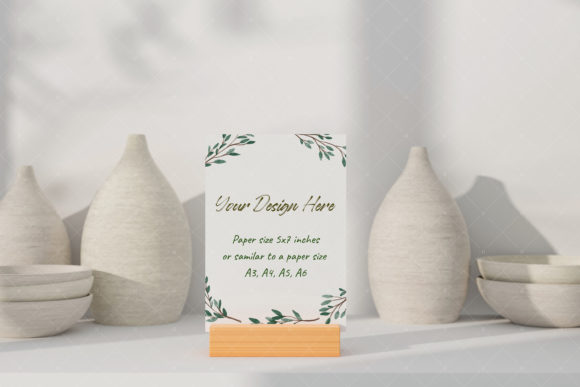
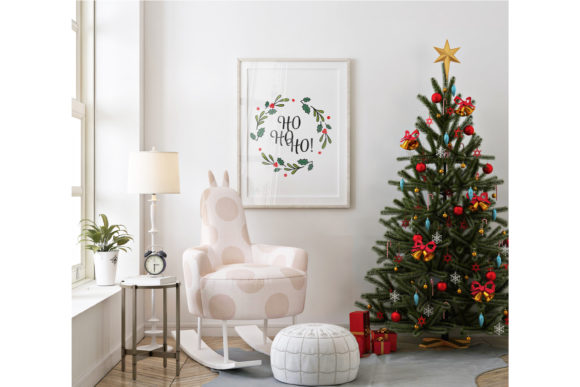
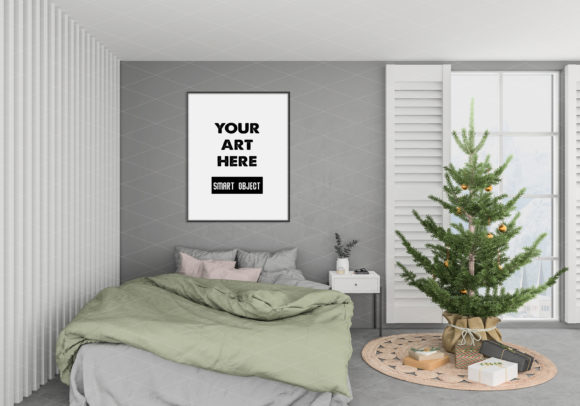
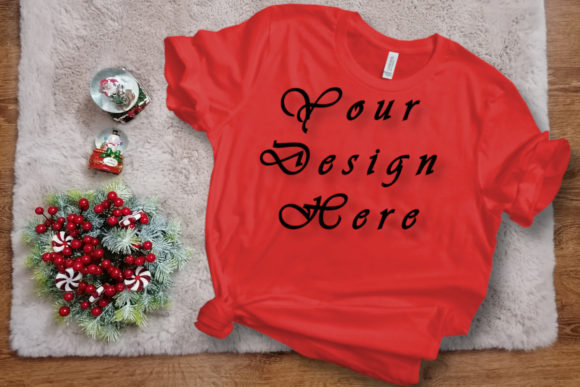
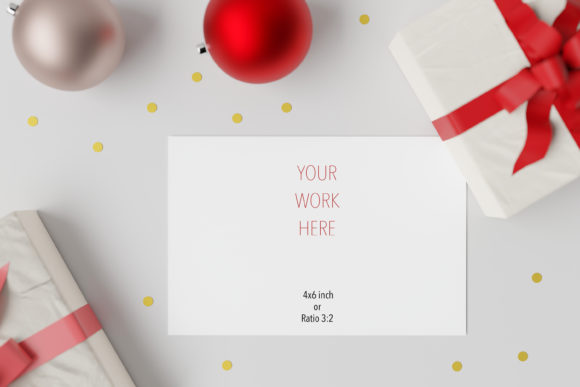
The standard deliverable contains two main components. First, a PSD file with a smart object layer. This allows you to double-click the smart object thumbnail, paste your artwork, save, and see it rendered inside the postcard frame. The layer structure preserves the mockup’s lighting, shadows, and decorative holiday elements such as wreaths, pine branches, or ornament accents. Second, a JPG file shows a white blank inside the frame, giving you a ready-to-use preview for portfolios or social media without needing to edit the PSD.
Both files are high-resolution at 300 DPI, which means they output cleanly for digital display and can also be used for small-scale print proofs if needed. The focus is on presentation, not on providing a print-ready template for mass production. This distinction is important when evaluating whether the mockup meets your specific use case.
Reasons to Consider This Mockup for Your Work
If you create Christmas-themed artwork—whether greeting card illustrations, seasonal watercolors, or decorative typography—this mockup offers a consistent way to show how your art might look as a physical postcard. Clients often respond better to contextual presentations than to isolated digital images. Placing your work inside a realistic setting helps communicate scale, finish, and mood.
The smart object workflow saves time. Instead of manually compositing your artwork into a scene for every client presentation, you reuse the same mockup file, swap the artwork, and export. This efficiency becomes valuable when you have multiple designs to present during the holiday season. The included JPG with a white frame also works as a clean placeholder for early-stage concept sharing before you finalize the mockup.
Another reason to explore this file is the holiday decoration layer. The Christmas elements are already embedded in the scene, so you do not need to source or arrange seasonal props yourself. This can be a practical advantage if you lack access to physical props or if you want a consistent aesthetic across a series of presentations.
Benefits and Practical Strengths
The primary benefit is realistic context. A postcard with Christmas decorations around it implies a finished product ready for mailing or gifting. This context helps clients visualize the end use of your artwork, which can reduce revision rounds and speed up approval.
High resolution at 300 DPI means the mockup holds up when viewed on retina screens or when printed as part of a portfolio book. You can zoom into details without visible pixelation. This matters if your artwork contains fine lines, subtle watercolor washes, or intricate patterns that need to be judged accurately.
The smart object layer is non-destructive. Your original artwork file remains untouched. You only place a linked or embedded copy into the mockup. This workflow protects your source files and makes it easy to iterate different versions without rebuilding the scene.
For freelancers and small studios, this mockup can serve as a consistent brand presentation tool. Using the same mockup across multiple projects creates a recognizable style in your portfolio, which can reinforce your professional identity during the holiday season.
Tradeoffs and Limitations to Consider
No single mockup fits every presentation need. The Christmas decoration layer, while visually appealing, may not suit all client contexts. If your artwork is minimalist or modern, the decorative elements might compete with or distract from your design. In such cases, a plain postcard mockup without seasonal embellishments could serve you better.
The mockup is designed for postcard proportions. If your artwork uses a non-standard aspect ratio, you may need to crop or add padding to fit the smart object layer. This could alter the composition you intended. Check the mockup dimensions before committing to it for a particular piece.
Another consideration is the PSD file size. High-resolution layered files can be large, sometimes exceeding 100 MB. This may slow down your workflow if you are working on an older computer or if you need to share the file with a client who expects quick downloads. The included JPG provides a lightweight alternative for preliminary sharing, but the full PSD requires adequate system resources.
Additionally, the mockup is a presentation tool, not a production template. It does not include bleed marks, CMYK color profiles, or print-ready guides. If your goal is to send a file directly to a printer, you will need to prepare a separate production file. Relying solely on this mockup for print output could lead to issues with margins or color accuracy.
Expectations When Using the Mockup
You should expect a straightforward editing process. Open the PSD, locate the smart object layer labeled for your artwork, double-click to open it, paste or place your design, save, and close. The mockup updates automatically. Most files of this type include clear instructions within the layer names or a separate readme document.
The lighting and shadows in the mockup are static. They simulate a specific lighting environment. If your artwork has strong highlights or dark areas, the mockup’s shadows may interact differently than you anticipate. Preview the result at 100% zoom before sending to a client. Small adjustments to your artwork’s brightness or contrast can sometimes improve the integration.
The JPG with a white blank frame is a convenience file. It shows the mockup scene with an empty white postcard. You can use it as a background for overlaying text or logos, or as a placeholder while you prepare the final artwork. However, it does not include the smart object functionality, so any design you add to the JPG will require manual compositing.
Situations Where This Mockup Is a Strong Fit
This mockup works well when you need to present a series of Christmas-themed postcard designs to a client who values realistic context. For example, if you are a greeting card designer pitching holiday collections to a retailer, showing each design inside the same decorative scene helps the buyer compare options in a consistent setting.
It is also a good choice for illustrators who sell art prints or postcards at holiday markets. Using the mockup in your online shop or social media previews gives potential buyers a sense of how the product will look in a real environment. The Christmas decorations reinforce the seasonal relevance without requiring you to build a photo set.
For educators teaching print design or surface pattern design, this mockup provides a clear example of how to present student work in a realistic context. It saves time on setup and lets students focus on their artwork rather than on staging a scene.
If you work with watercolor or hand-drawn artwork, the high resolution preserves brush textures and paper grain. The mockup can help communicate the tactile quality of your work, which is often lost in flat digital previews.
When Alternatives May Serve You Better
If your artwork is not Christmas-related, the holiday decorations in this mockup will feel out of place. A generic postcard mockup without seasonal elements gives you more flexibility for year-round use. You can find plain postcard mockups with similar smart object functionality that work for any theme.
For projects that require a specific print finish, such as foil stamping or embossing, this mockup does not simulate those effects. You would need a specialized mockup that includes foil or deboss layers, or you would need to create a custom scene that matches the intended production method.
If you need to present artwork in multiple formats—such as postcard, greeting card, and poster—investing in a bundle of different mockups may be more efficient than using a single postcard scene. Each format requires its own proportions and context, so a one-size-fits-all approach may not satisfy every client request.
When speed is your top priority and you do not need realistic context, a simple flat image on a neutral background can be faster to produce. The mockup adds value through realism, but that value depends on your client’s expectations. Some clients prefer to see artwork isolated without environmental distractions.
Practical Insights for Making a Decision
Start by examining your typical client presentation workflow. If you frequently show seasonal artwork and have a need for consistent, realistic previews, this mockup can save you time and improve client communication. The smart object layer and high resolution are genuine practical benefits.
Assess the proportion of your artwork that is Christmas-themed. If holiday work makes up a significant part of your portfolio or sales, the investment in a specialized mockup like this one is likely worthwhile. If holiday projects are occasional, a neutral mockup may offer better long-term value.
Consider the hardware you use. If you work on a computer with limited RAM or an older processor, the large PSD file may slow you down. Test the mockup with a sample piece of artwork before relying on it for a client deadline. The JPG option gives you a fallback if the PSD proves too heavy.
Think about your client’s perspective. Would seeing your artwork inside a Christmas-decorated postcard help them understand the product? If yes, this mockup is a strong tool. If your client prefers clean, minimal presentations, you may want to choose a different mockup or use the JPG version without the decorations.
Finally, evaluate how often you update your portfolio. A mockup that you use repeatedly should feel neutral enough to stay relevant across multiple seasons. The Christmas decoration layer may feel dated after the holidays, so consider whether you will still want to use the same mockup in January or February. If you sell holiday items year-round, the seasonal layer may not be an issue.
By weighing these factors against your specific needs, you can decide whether this Postcard Mockup Christmas Decoration aligns with your goals or whether a different presentation method would serve you better. The file offers genuine utility for seasonal artwork presentation, but its value depends on how well it fits your workflow, your client’s preferences, and the type of work you create.