Poster Mockup and Frame Mockup: Evaluating Digital Presentation Tools for Artists
Presenting artwork in a compelling way is a central challenge for artists, photographers, and online sellers. A flat digital file of a print rarely conveys the scale, texture, or emotional impact of the finished piece. This is where a Poster Mockup, Frame Mockup becomes a practical tool. These digital templates allow you to place your artwork into a pre-rendered photograph of a room interior, complete with realistic lighting, shadows, and angles. Instead of asking a client to imagine what a print will look like on a wall, you show them directly. This article evaluates how these mockups work, what they offer, and when they may or may not fit your specific needs.
What Is a Poster Mockup and Frame Mockup?
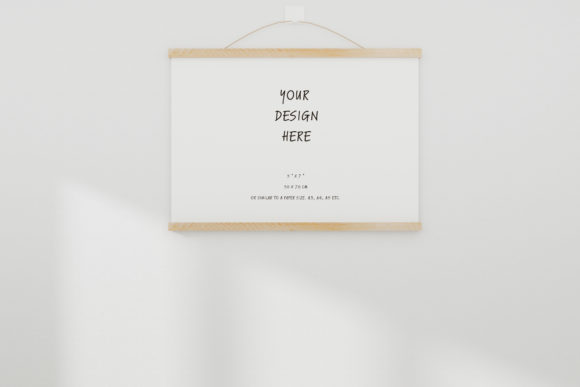
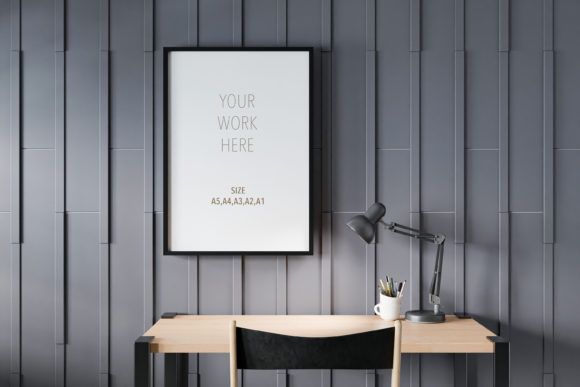
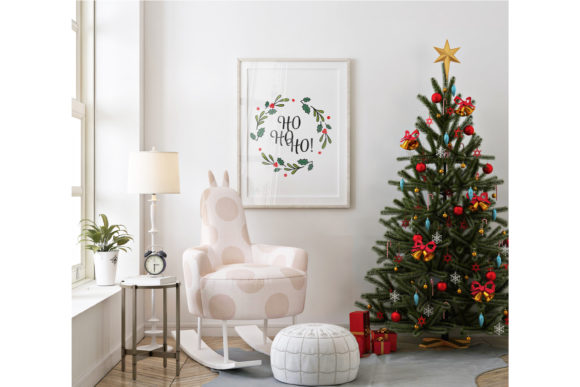
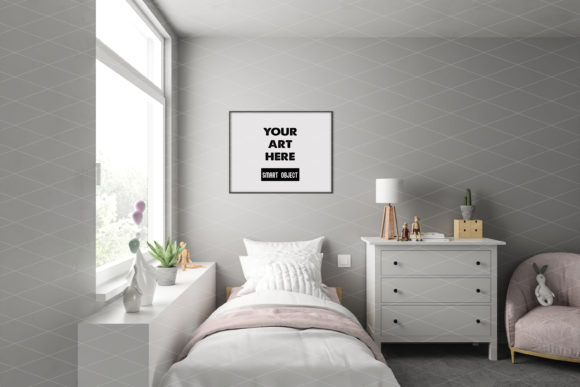
A Poster Mockup, Frame Mockup is a digital file—typically a high-resolution TIFF or PSD—that contains a realistic scene of a framed picture or poster within an interior setting. The key feature is a smart object layer: a designated area within the file where you paste your own artwork. The template automatically applies the correct perspective, shadow, and frame depth to make your design appear as though it was photographed as part of that room. The product you are considering includes one TIF file at 2700×2700 pixels and 300 dpi. It is designed for instant download, with no physical item shipped. The final image contains no placeholder text or watermarks, so the result is a clean, professional presentation that you can use on your website, blog, or online shop.
Why Consider Using a Frame Mockup?
There are several practical reasons an artist or seller might be interested in a Poster Mockup, Frame Mockup. The most direct benefit is context. A print shown alone gives viewers information about the image itself, but not about how it will interact with a real environment. A mockup places your work in a living room, bedroom, or hallway, with natural light falling across the frame. This helps potential buyers visualize the piece in their own space, which can reduce hesitation and increase the likelihood of a sale.
Another reason is consistency. If you sell multiple prints or different editions, using the same mockup scene for all of them creates a cohesive look in your shop or portfolio. Customers come to recognize your presentation style, which builds a sense of professionalism. Additionally, mockups save time. Setting up a real photograph of a framed print takes significant effort: you need a camera, lighting equipment, a physical frame, and a suitable wall. With a digital mockup, you can create that same effect in minutes once you have the template.
Key Benefits in Practice
- Realism without a photo shoot: The pre-rendered lighting, shadows, and perspective mimic a real photograph, giving your artwork an authentic presence.
- Ease of use: Because the file includes a smart object, you can drop your design into the frame layer without advanced Photoshop skills.
- High resolution: The 2700×2700 pixel, 300 dpi TIF file is suitable for both web display and small-scale print promotion.
- No watermarks or placeholders: The final output is clean, so you can use it directly in your marketing materials.
Tradeoffs and Considerations
While a Poster Mockup, Frame Mockup offers clear advantages, it also comes with limitations that are important to understand before purchasing. One tradeoff is fixed perspective. The mockup is rendered from a single camera angle with specific lighting. If you want to show your artwork from multiple viewpoints or in different rooms, you would need multiple mockup scenes. This single-file product provides one interior setting, so you cannot adjust the room itself.
Another consideration is the frame style. The included frame is designed to look realistic with adjusted shadows and angles, but it is a specific style. If your artwork is better suited to a different type of frame—say, a thin metal frame instead of a thick wooden one—this mockup may not match your vision. In that case, you might need to look for a set that offers multiple frame options, or consider creating a custom mockup.
File format is also worth noting. The product is a TIF file. While TIF is a high-quality format, it is larger than a JPEG and may not be directly supported by all online platforms without conversion. However, its quality advantage for print and detailed web display is significant.
What to Expect During Use
The process of using this mockup is straightforward. After downloading the file, you open it in image editing software that supports layers, such as Adobe Photoshop. You locate the smart object layer, double-click to open it, paste your artwork, save, and the mockup updates automatically. The result is a single composite image ready for upload. No physical product is involved, and no additional props or photography are required.
It is worth noting that the mockup does not come with editable room elements. You cannot change the wall color, furniture, or lighting direction. This is typical for single-scene mockups and is part of what keeps the file simple and easy to use. If you need extensive customization, a more advanced mockup set with multiple scenes or adjustable elements would be a better choice.
When Is This Mockup a Strong Fit?
This Poster Mockup, Frame Mockup is particularly well suited for certain situations. If you are an artist or photographer who sells prints online and wants to show a single, high-quality interior view of your work, this file provides exactly that. It is also a good match if you are building a website or blog and need a consistent visual style for your product pages. Because the file is ready to use immediately after download, it fits into a workflow that values speed and simplicity.
It is also a practical choice for those who are new to mockups. The single-file format reduces complexity. You only have one scene to learn, and the smart object method is forgiving for beginners. If you frequently update your product listings or add new designs, having a reliable mockup that you can reuse saves time over staging real photographs.
When Might Alternatives Be Worth Considering?
While this product serves its purpose well, there are scenarios where alternatives may be more appropriate. If you need to display artwork in multiple room types—such as a modern office, a cozy living room, and a gallery wall—a single mockup scene will feel repetitive. In that case, a mockup bundle with several different interiors would give you more variety and help customers see your work in different contexts.
Similarly, if you require full control over the frame itself—its color, width, texture, or matting—a mockup with editable frame properties is a better fit. Some advanced mockups allow you to change the frame style or even remove the frame entirely for a canvas look. This product provides one fixed frame, so it cannot adapt to those variations.
Another consideration is scale. The 2700×2700 pixel size is sufficient for most web use and for small prints, but if you plan to use the mockup images in large-format print marketing or on billboards, you may need a higher resolution or a vector-based template. For most online shops and social media, however, this resolution is more than adequate.
Practical Decision-Making Insights
When evaluating a Poster Mockup, Frame Mockup, think about the specific role it will play in your sales process. If your goal is to reduce buyer uncertainty by showing a realistic room view, then even a single scene can be effective. Research in visual marketing suggests that contextual images help viewers form a stronger intention to purchase, particularly for home decor items. So this tool directly addresses a common pain point for online art sellers.
Consider your product range. If you sell prints in a consistent size and orientation, a single mockup works well. If you sell both landscape and portrait orientations, confirm that the mockup frame matches your aspect ratio. Some mockups are designed for one orientation only, so checking the dimensions before purchase is important.
Also, think about brand identity. If your shop has a distinct aesthetic—minimalist, rustic, bold—choose a mockup whose interior style complements that identity. This product includes a room interior that you cannot modify, so it helps to review the scene carefully before buying. If the style aligns with your brand, the mockup will strengthen your visual message. If it does not, it may feel mismatched and could confuse potential buyers.
Cost and Value Perspective
Compared to hiring a photographer or renting studio space to shoot framed prints, a digital mockup is a low-cost option. It requires only a one-time purchase and a few minutes of setup per artwork. However, consider the volume of your production. If you create new designs multiple times a week, the time savings add up quickly. For occasional use, even a single mockup can pay for itself by eliminating the need for a physical print and frame for every new listing.
It is also worth considering the longevity of the mockup. Because it is a digital file, it does not degrade over time, and you can use it for as many designs as you wish. This makes it a reusable asset, unlike a physical photo shoot that must be recreated for each new piece.
How This Mockup Fits Into a Broader Presentation Strategy
No single mockup can cover every presentation need. Most sellers benefit from using a mix of presentation styles: a flat image of the print for detailed viewing, a lifestyle mockup for emotional context, and perhaps a close-up of the texture for quality perception. This Poster Mockup, Frame Mockup addresses the lifestyle component. Pair it with other images to give customers a complete understanding of what they are buying.
For example, you might use this mockup as the primary product image on your shop listing, while also including a flat scan of the artwork for those who want to see details without the distraction of the room. This combination allows potential buyers to both imagine the piece in a home and examine it closely. It is a balanced approach that serves different decision-making styles.
Final Thoughts on Selection
Choosing whether to use a Poster Mockup, Frame Mockup depends on your specific workflow, the variety of your artwork, and the impression you want to create. For artists and sellers who value speed, simplicity, and a realistic room context, this type of mockup is a practical addition. The fixed scene and frame mean it works best when the style of the interior matches your brand and your artwork fits the provided orientation and size.
If you need flexibility in room type or frame style, or if you want to present your work from multiple angles, look for a set that offers those options. But for many online sellers, a single, well-designed mockup that delivers realism and ease of use is exactly what is needed to move from a flat file to a compelling room visualization. This product delivers that in a clear, no-frills format, letting your artwork speak for itself within a believable interior setting.